.jpg)



June 8, 2026

As part of the annual Conference of the European Federation of Engineering Consultancy Associations (EFCA) in Istanbul, a panel discussion titled “Restructuring of Ukraine” was held, dedicated to Ukraine’s recovery and modernization.
The topic of Ukraine became one of the central ones at this year’s meeting of the organization. Over several days, participants discussed infrastructure resilience, security, development of engineering services, international partnerships, and the professional community’s role in delivering large-scale infrastructure projects.
The panel discussion featured Adam Bialachowski, FIDIC Vice President and CEO of B-Act S.A., Cem Aker from DOLSAR Engineering (both companies are members of the Interstate Consultants Engineers Guild), Wolfgang Gomernik from DELTA, and Yulia Dvorakovskaya from CBM Forum, who represented the Ukrainian side and the Interstate Consultants Engineers Guild.
During the discussion, the participants focused on such practical issues of Ukraine’s reconstruction as implementing projects during wartime, attracting international financing, managing risks, the role of local partners, and long-term presence of international companies on the Ukrainian market.
Speaking on the panel, Yulia Dvorakovskaya, drawing on her extensive professional experience and profound knowledge of practical conditions of project implementation in Ukraine, outlined three parallel approaches to reconstruction currently being pursued in the country.
The first approach is a rapid restoration of critically important facilities including hospitals, schools, water and electricity supply systems.
The second is the “Build Back Better” principle, which involves not just rebuilding what was destroyed, but modernizing the infrastructure in line with modern requirements for energy efficiency, accessibility, safety, and resilience.
The third one is the creation of new facilities and new opportunities for investment, economic development, and Ukraine’s integration into the European infrastructure space.
Participants paid special attention to the transition from political agreements to the practical fulfillment of programs.
“We have seen many promises and signed agreements, but today it is important to ensure that the financing actually reaches Ukraine and the projects that are already being implemented,” emphasized Adam Bialachowski.
According to him, the companies with experience of working in Ukraine continue to build infrastructure facilities even under wartime conditions, and the international community should move more actively from statements to practical participation in the reconstruction.
Wolfgang Gomernik, who has worked with Ukrainian initiatives for many years, stressed that the country’s recovery is already underway.
“The key takeaway from our panel: the reconstruction of Ukraine is already underway. It is not only about restoring facilities, but also an opportunity to build more resilient infrastructure, stronger communities, and a more competitive European future,” he noted.
A separate focus of the discussion was the role of Ukrainian engineering and consulting companies as partners for international financial institutions, donors, and foreign businesses. The participants emphasized that effective work in Ukraine requires not only funding, but also a deep understanding of local conditions, legislation, permitting procedures, and hands-on experience of project implementation.
The discussion in Istanbul confirmed once again that Ukraine’s reconstruction has long ceased to be solely a Ukrainian issue. It has become part of a broader European conversation about the infrastructure resilience, security, and development of modern project delivery mechanisms.
And the closer the country gets to the stage of large-scale reconstruction, the more important are not only financial resources, but also professional expertise, international experience, and the ability to manage complex projects effectively — from planning to commissioning.
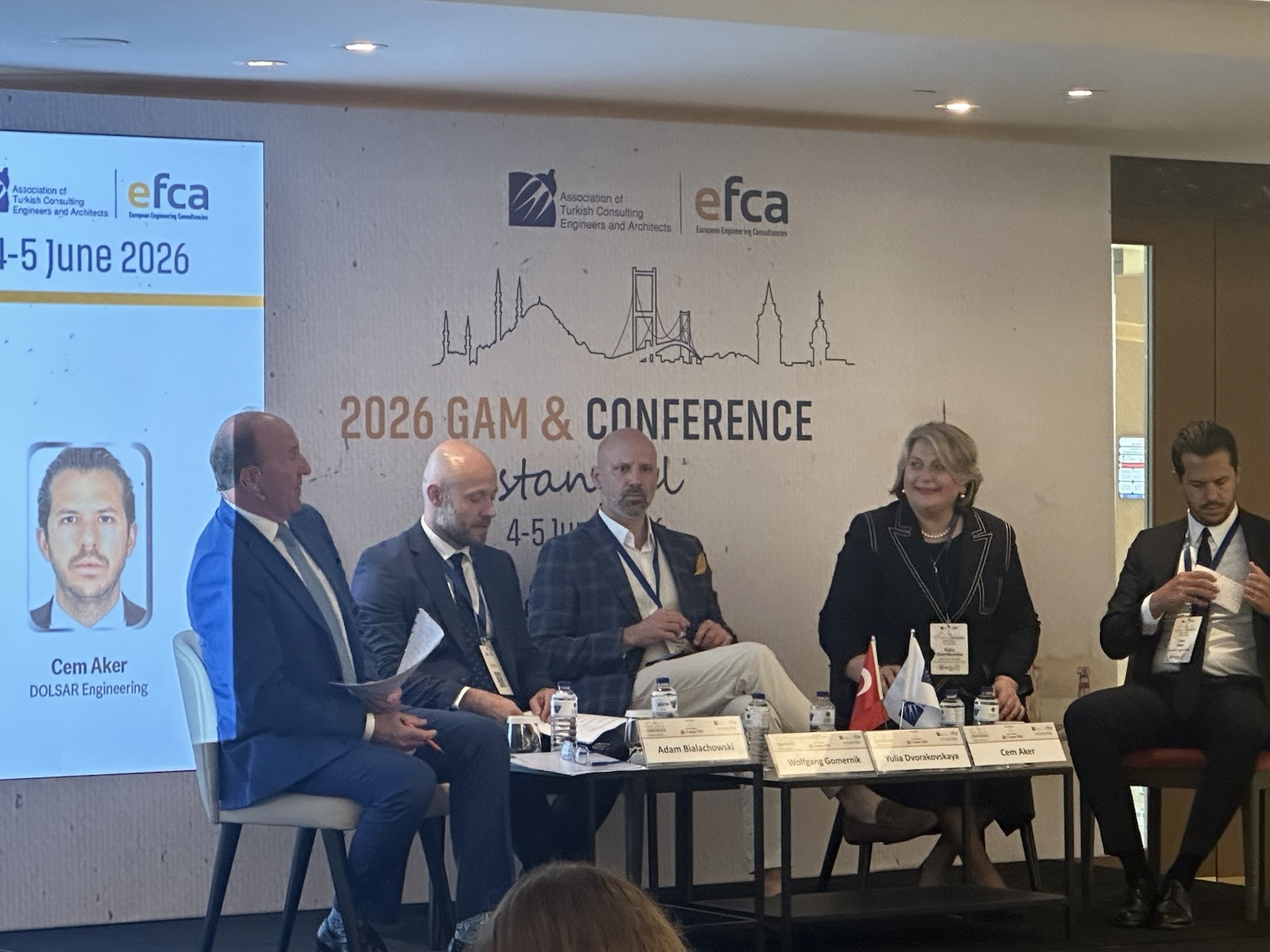
Adam Bialachowski, FIDIC Vice President and EFCA representative, Wolfgang Gomernik from DELTA company, Yulia Dvorakovskaya from CBM Forum, representing Ukraine and ICEG, and Cem Aker from DOLSAR Engineering
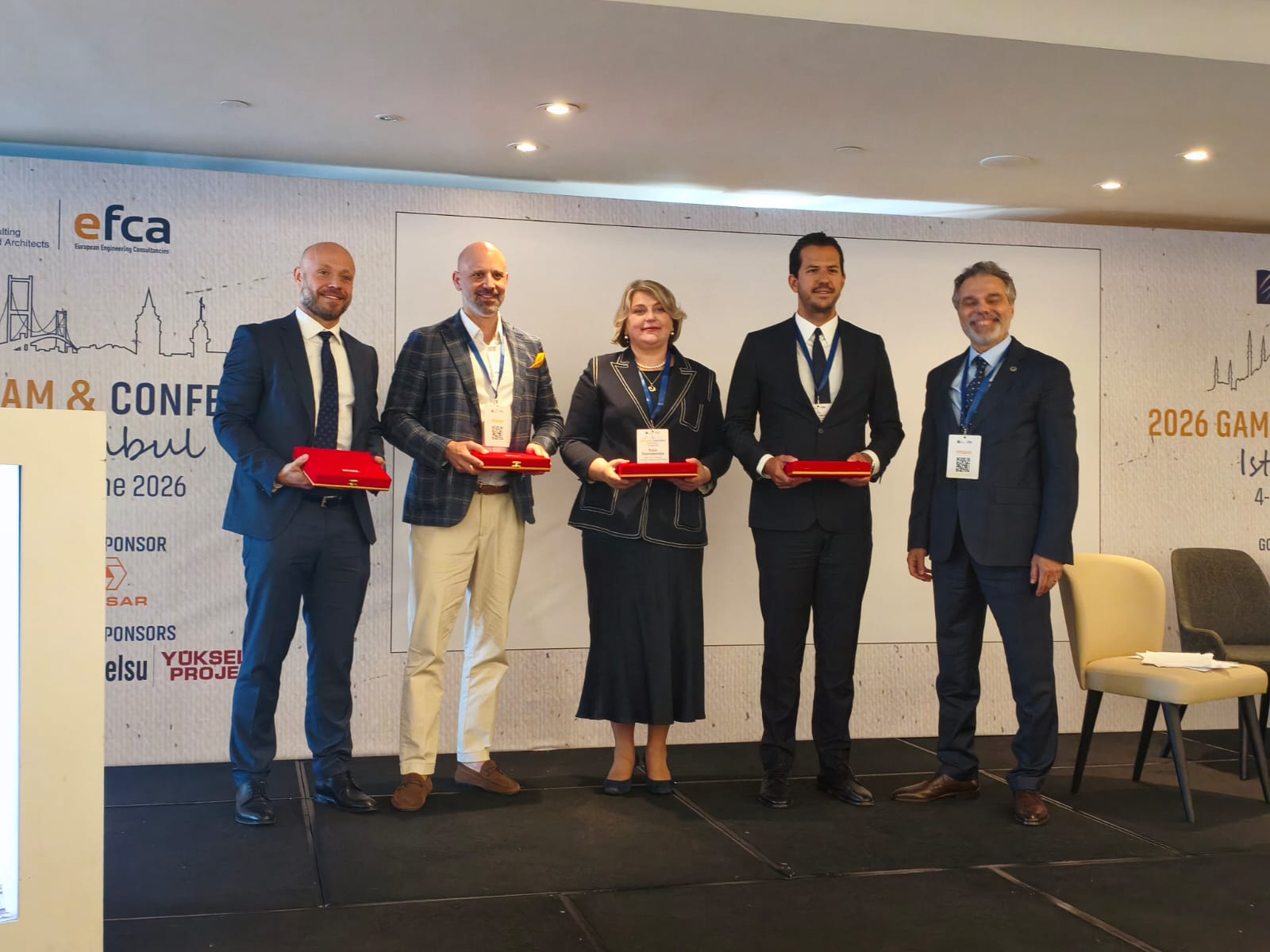
Adam Bialachowski, FIDIC Vice President and EFCA representative, Wolfgang Gomernik from DELTA company, Yulia Dvorakovskaya from CBM Forum, representing Ukraine and ICEG, and Cem Aker from DOLSAR Engineering, and Kerim Orhon, Chairman of ATCEA
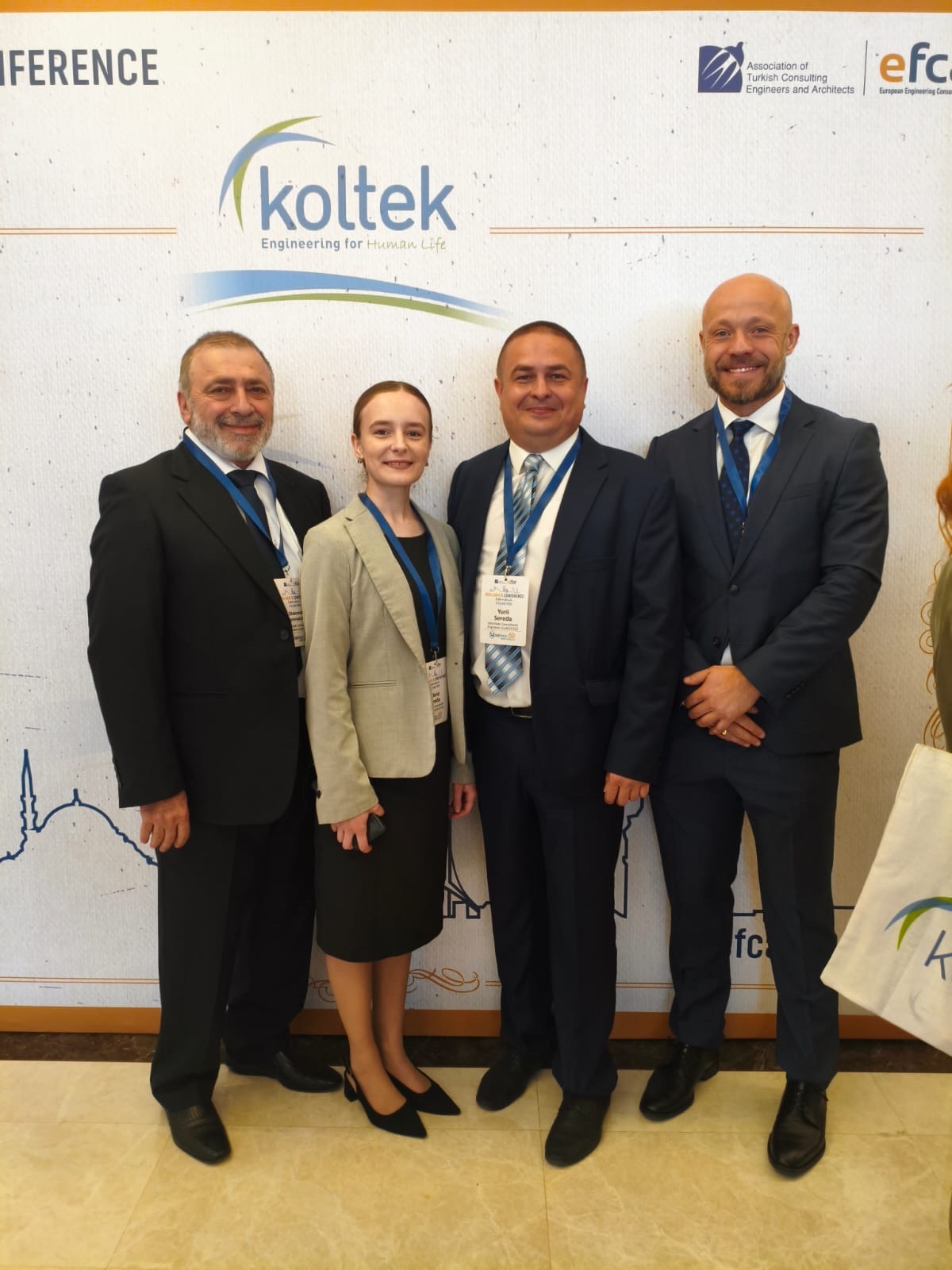
Oleksandr Nepomnyashchyy, ICEG President, Olena Sereda, Future Leaders 2026 competition participant from ICEG, Yurii Sereda, Director of B-Act S.A. office in Ukraine, and Adam Bialachowski, FIDIC Vice President and EFCA representative
